
The world produces an overwhelming amount of plastic each year. From the single-use straws in your drinks to the bags you carry groceries in, plastic is everywhere. Unfortunately, much of this plastic ends up polluting our environment, affecting wildlife and humans alike. It’s time we looked at plastic pollution with new urgency.
If you think a single plastic bag tossed on the street doesn’t matter, here are 25 surprising facts about plastic pollution that might change your perspective.
Plastic is incredibly durable, and it can take anywhere from 400 to 1,000 years to break down, depending on the type.
Despite widespread awareness, plastic production has continued to increase. In 2021, the world produced around 390 million metric tons of plastic, a number that is expected to keep rising.
It’s estimated that there are around 5.25 trillion pieces of plastic debris in the ocean. This plastic is affecting marine life and the health of our oceans.
Microplastics are tiny plastic particles that come from larger pieces of plastic breaking down. These small particles are now found in our water, air, and even our food.
Marine animals often mistake plastic for food, which can lead to choking, malnutrition, or death. Turtles, for instance, often mistake plastic bags for jellyfish.
When marine animals consume plastic, it doesn’t just affect them; it also affects the entire food chain, including humans.
Of all the plastic produced, only about 9% is recycled. The rest ends up in landfills, oceans, or the environment.
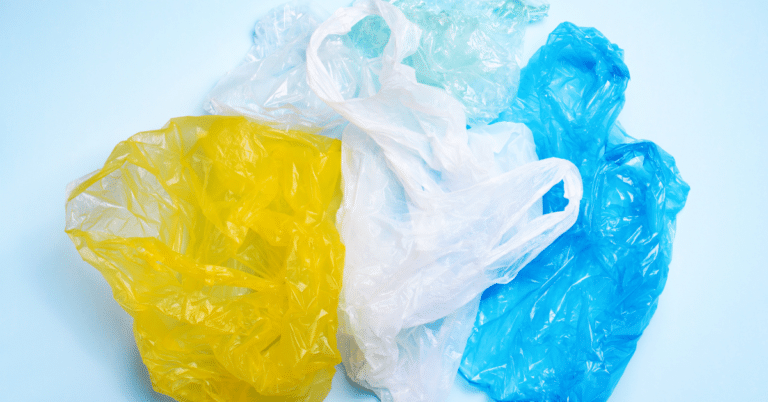
It’s estimated that over 1 trillion plastic bags are used worldwide each year. Many of these bags end up as litter, contributing to pollution.
The Great Pacific Garbage Patch is a massive collection of plastic and debris located between Hawaii and California. It’s estimated to cover 1.6 million square kilometres.
Single-use plastics, like straws, bags, and bottles, are the biggest contributors to plastic pollution. They’re used once and discarded, often ending up in the environment.
From the depths of the Mariana Trench to the peaks of Mount Everest, plastic pollution has reached every corner of the planet.
The production and disposal of plastic emit greenhouse gases, which contribute to climate change.
Animals like birds, turtles, and fish can become entangled in plastic waste, leading to injury or death.
As plastics break down, they release toxic chemicals that can affect human health. Microplastics have been found in our drinking water, food, and even the air we breathe.
It’s estimated that plastic pollution kills over a million marine animals each year, including birds, fish, and mammals.
Plastic is made from oil, a non-renewable resource. The production of plastic contributes to the depletion of this resource and the environmental harm associated with oil extraction.
Plastic clogging drains and waterways can exacerbate flooding and other natural disasters.
There are many alternatives to plastic, including biodegradable materials and reusable products, but they’re not yet widely adopted.
Cleaning up plastic pollution is expensive. It’s estimated that the cost of plastic pollution cleanup in the ocean alone is billions of dollars annually.
Recent studies have found microplastics in human blood, raising concerns about potential health effects.
Despite the environmental concerns, the plastic industry is working to expand its market, particularly in developing countries.
There are technologies that can convert plastic into fuel, offering a potential solution to plastic waste.
Synthetic fibres like polyester are made from plastic and contribute to pollution through microplastic shedding during washing.
Countries around the world are introducing bans and restrictions on single-use plastics to help curb pollution.
Reducing your plastic use, recycling, and participating in clean-up efforts can help make a difference in the fight against plastic pollution.
Plastic pollution is a huge problem, but we can all take steps to reduce its impact. By choosing reusable items, supporting legislation, and raising awareness, we can work towards a cleaner, healthier planet.
Our environment’s fate lies in our ability to care beyond ourselves. You can do your part in the fight against littering by ensuring that your rubbish removal is handled professionally and responsibly.
Start by thinking about recycling and reaching out to professionals like Amigo Rubbish Removal. With your willingness and Amigo Rubbish Removal’s efficient, affordable, and customer-friendly services, we can work together to keep our environment free from litter.


Copyright 2026 Amigo Rubbish Removal – Proudly Designed and Hosted by BSharp Tech