When it comes to rubbish removal, understanding the different types of waste is crucial for effective disposal. Two common categories are hard rubbish and soft rubbish. Each type has its own characteristics, disposal methods, and environmental considerations. In this guide, we’ll explore the key differences between hard rubbish and soft rubbish to help you navigate your waste disposal needs.
What is Hard Rubbish?
Hard rubbish refers to large, bulky items that are typically not suitable for regular bin collections. These items are often made from hard materials and can include:
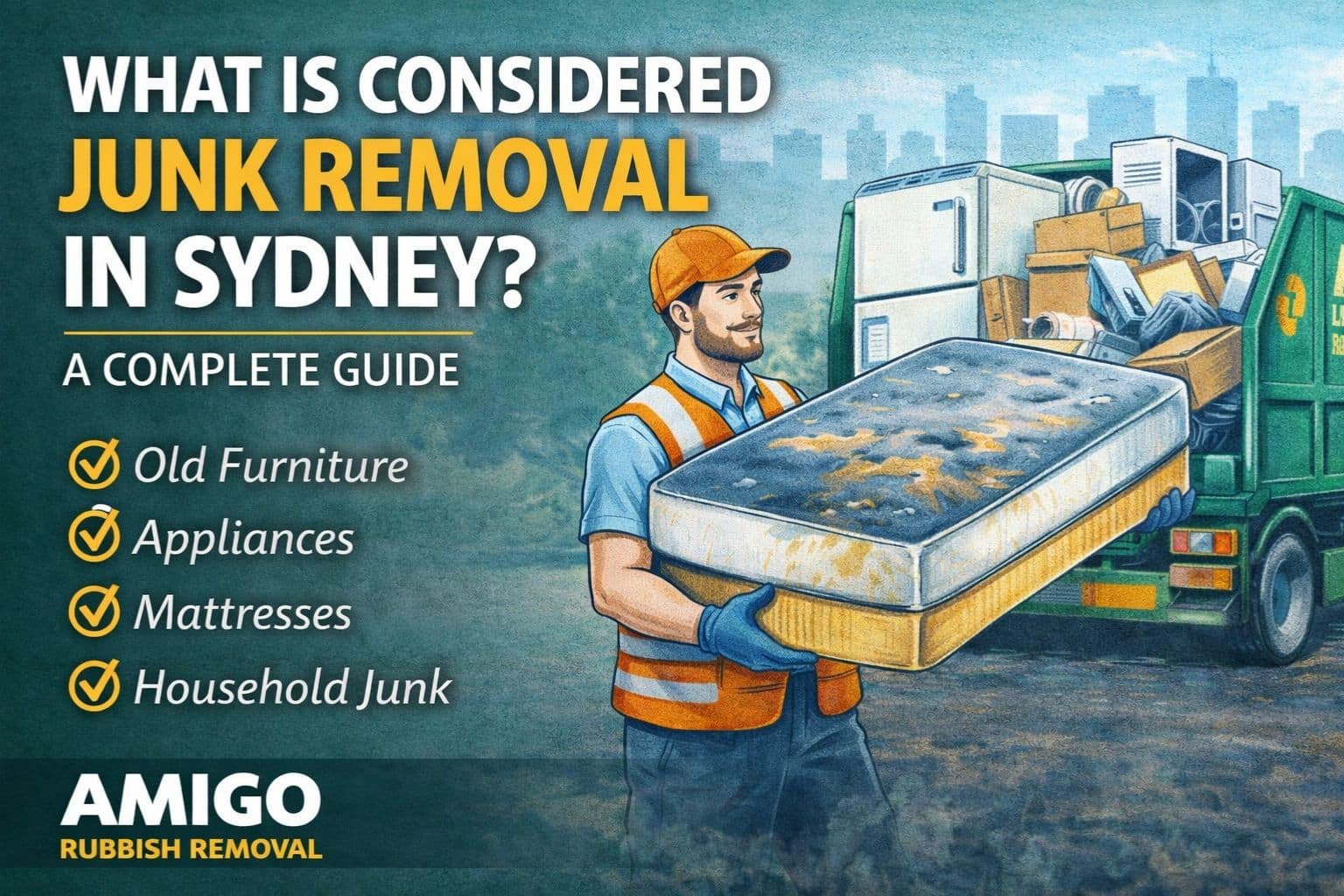
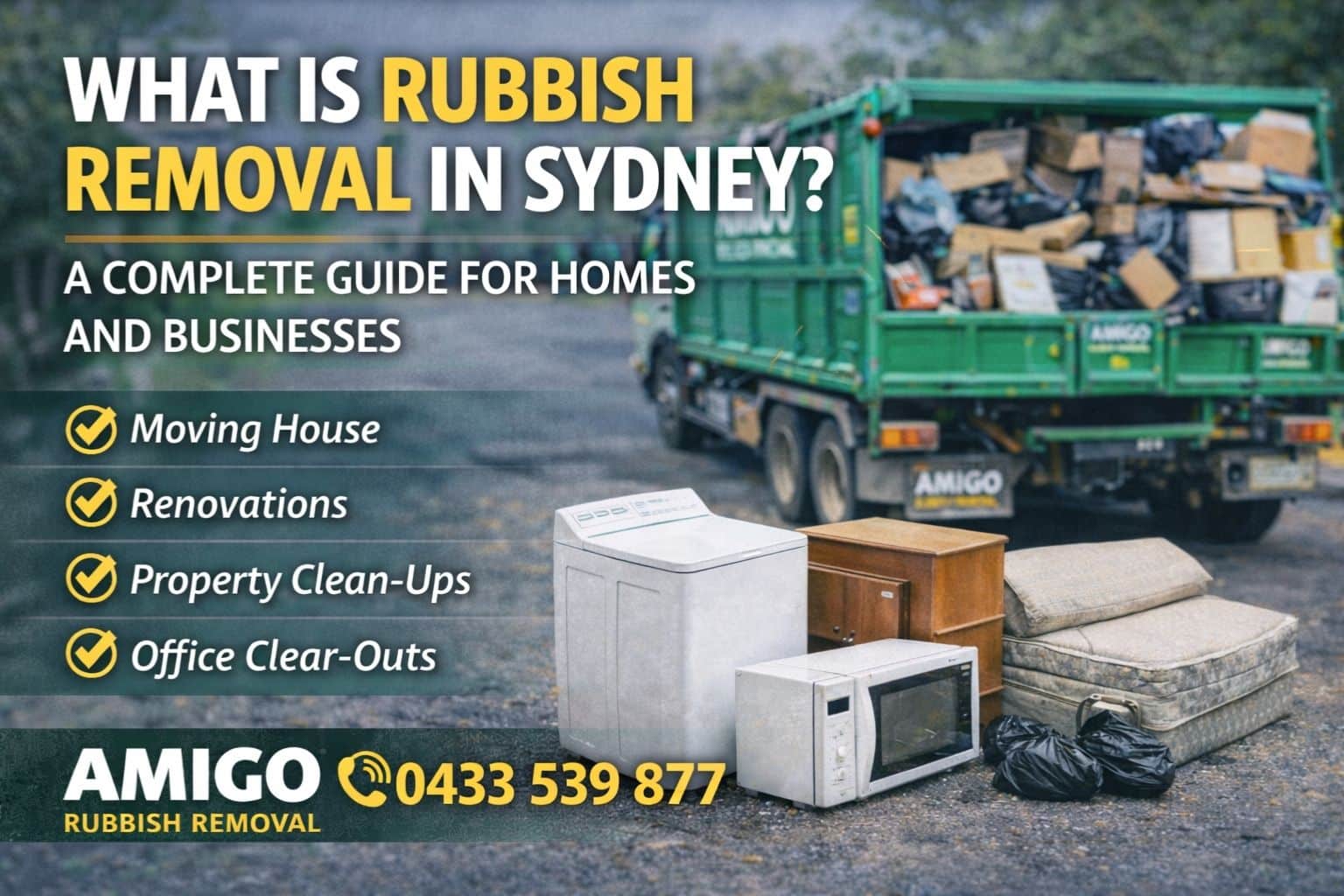
Furniture: Old couches, chairs, tables, and mattresses.
Appliances: Fridges, washing machines, ovens, and other large household appliances.
Garden Waste: Branches, tree stumps, and large plant pots.
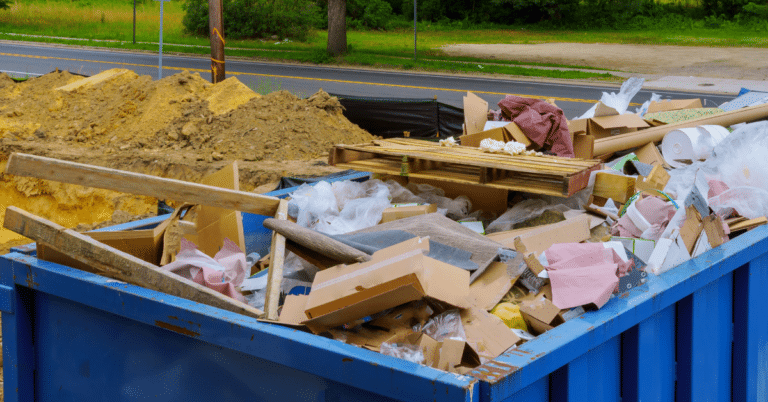
Building Materials: Bricks, concrete, tiles, and timber.
Disposal Methods for Hard Rubbish Hard rubbish often requires special disposal methods due to its size and weight. Common ways to dispose of hard rubbish include:
Council Collection Services: Many local councils offer scheduled hard rubbish collection services, allowing residents to place their hard rubbish on the curb for collection on designated days. Check your local council’s website for information on collection dates and guidelines.
Private Rubbish Removal Services: For quicker and more convenient disposal, consider hiring a professional rubbish removal service like Amigo Rubbish Removal. They can collect hard rubbish from your property and ensure it is disposed of responsibly.
Donation or Recycling: If your hard rubbish items are still in good condition, consider donating them to charities or organisations. Some items can also be recycled, such as metal appliances and certain types of furniture.
What is Soft Rubbish?
Soft rubbish, on the other hand, refers to waste items that are softer in texture and typically include a variety of everyday household waste. Common examples of soft rubbish include:
Textiles: Old clothes, curtains, and bedding.
Packaging: Plastic bags, cardboard boxes, and food wrappers.
General Waste: Food scraps, paper waste, and non-recyclable plastics.
Disposal Methods for Soft Rubbish Soft rubbish can often be disposed of through regular waste collection services. Here are some common methods:
Kerbside Collection: Most councils provide weekly or fortnightly kerbside collection services for soft rubbish. Check your council’s schedule for collection days.
Recycling Bins: Many soft rubbish items, such as cardboard, paper, and certain plastics, can be placed in recycling bins. Ensure you follow your local recycling guidelines to minimise contamination.
Donation: If your soft rubbish items are reusable, consider donating them to local charities or thrift stores. Many organisations accept clothing and household textiles in good condition.
Key Differences Between Hard Rubbish and Soft Rubbish
Understanding the differences between hard and soft rubbish can help you make informed decisions about waste disposal. Here are the key distinctions:
Material Composition: Hard rubbish consists of bulky, rigid items, while soft rubbish includes softer, lighter materials.
Disposal Methods: Hard rubbish often requires special collection services or disposal methods, whereas soft rubbish can usually be placed in regular rubbish or recycling bins.
Environmental Considerations: Hard rubbish may have a higher recycling potential, especially if items can be salvaged or repurposed. Soft rubbish, such as textiles and packaging, also has recycling options but often ends up in landfills if not properly sorted.
Why It Matters
Understanding the differences between hard and soft rubbish is essential for responsible waste management. Proper disposal not only helps keep your surroundings clean but also reduces the environmental impact of waste. By distinguishing between the two types of rubbish, you can ensure that your waste is disposed of in a manner that maximises recycling and minimises landfill use.
When it comes to rubbish removal, being aware of what constitutes hard and soft rubbish will help you make the right choices for disposal. Whether you’re preparing for a cleanout, renovation, or simply decluttering your home, knowing how to handle each type of waste is key to effective waste management.
If you have hard rubbish or any unwanted items that need to be removed quickly and responsibly, Amigo Rubbish Removal is here to assist. With our affordable rates and prompt service, we can help you clear your space while ensuring your rubbish is disposed of sustainably. Contact us today for a free quote or to schedule your rubbish removal service.
Written by: Alex — Founder, Amigo Rubbish Removal
Alex is the founder of Amigo Rubbish Removal — one of Sydney's highest-rated rubbish removal services, with over 530 five-star Google reviews. With years of hands-on experience across residential and commercial rubbish removal, strip outs, renovation waste, and deceased estate clearances, Alex writes from direct field knowledge of Sydney's waste system, council collections, and responsible disposal.